|
-
As an innovator in the field of new building materials, ourMCM Slateprovides a revolutionary solution for global building facade design and renovation with its breakthrough technology and outstanding performance.1. Perfect Integration of Natural Aesthetics and TechnologyWith modified inorganic powder as the core raw material, MCM Slate reproduces the texture and feel of natural slate through advanced technology. Each panel is like an artistic slice of natural rock formations. The rich color rang
-
MCM stone(Soft porcelain or flexible stone), leveraging its patented eco-friendly active soil technology, draws inspiration from nature and Roman architecture. Combined with 3D printing, it preserves the natural beauty of travertine and adds textures reflecting the patina of time. The resulting MCM travertine series surpasses natural travertine in functionality.
-
This guide offers a comprehensive approach to installing MCM stone (flexible tile) for long-lasting adhesion, detailing the necessary tools, accessories, and substrate preparations. It highlights the benefits of using MCM stone in modern construction and the importance of selecting quality materials from reputable suppliers. By following these installation steps, you can achieve a durable and visually striking exterior wall finish with MCM stone.
-
Genuine flexible stone is a building decoration material made from eco-friendly active clay (econic clay) and polymers, with an aging resistance exceeding 2000 hours, equating to a lifespan of over 50 years. Its colors are naturally derived from minerals, offering excellent UV and weather resistance. To distinguish between genuine and fake flexible stone, check for the use of active modified inorganic powder. Fake flexible stone, often made from non-active powders, paint materials, or cement, has poor aging resistance and can be harmful. Verification methods include color observation, water soaking, open flame tests, and checking fire resistance ratings.
-
With the advancement of technology and the enhancement of environmental awareness, the building decoration material industry has also ushered in new changes. Among them, mcm (flexible) stone, as an emerging building decoration material, has attracted widespread attention in the industry due to its unique properties and broad application prospects.
-
MCM stone, as a revolutionary new architectural material, has broad prospects in fields such as architectural decoration, interior and exterior wall decoration, and landscape gardening.
-
Significance of PU stone and MCM stone as modern building materials and their role in inspiring creativity in design. It highlights their diversity, flexibility, and ability to blend tradition with modernity, providing designers with ample creative possibilities. Additionally, it emphasizes their durability and easy maintenance, making them preferred choices for architects and designers. Overall, PU stone and MCM stone serve as sources of design inspiration, shaping architectural and interior design landscapes with their versatility and resilience.
-
What is PU Stone? The Most Comprehensive PU Stone Introduction
Material collision has always been a visual sensory impact effect pursued by designers. In the past two years, concave-convex stone veneer has appeared in many classic cases, but most people’s choice is to stay away. After all, problems such as raw materials, cost, transportation, and construction are difficult to solve, but there is actually a kind of imitation stone veneer—PU stone, which can be real, has been widely used in many countries. Because many buildings are mainly wooden structures, PU stone is widely used in the decoration of building exterior walls. Well, what kind of material is such a realistic imitation stone veneer—PU stone?
-
MCM, short for Modified Clay Material, is a versatile and innovative decorative wall panel material that has captured significant attention in the design industry. With its unique characteristics and exceptional properties, MCM offers a wide range of advantages for various applications in architectural and interior design. In this article, we will delve deeper into the features, benefits, and applications of MCM, showcasing its ability to seamlessly integrate innovation and aesthetics.
-
The rising star of flexible porcelain tiles - Charcoal Burnt Wood
SIMPLE
ELEGANCE
THIN
LIGHT
BREATHABLE
-
Flexible travertine belongs to the category of flexible stones.
It can be used as the primary material for exterior walls
while also directly serving as the main material for interior spaces,
achieving a harmonious design choice inside and out.
-
DianShang Flexible Tile Technology
A new technology involving modified inorganic materials,
its outstanding advantages are: safety, ecological-friendliness, low carbon footprint, and recyclability.
It modifies readily available inorganic substances such as clay and stone powder into modified inorganic powder, which is then fed into the Flexible Tile molding equipment. Under specific temperature conditions, the molecules cross-link, aided by laser carving molds, to form various Flexible Tile products.
-
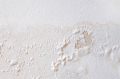
Early spring in March is a season of dampness and rain, especially in the southern regions where drizzling rain is frequent. The humidity increases and the temperature rises, making it prone to the phenomenon known as "return of the southern rains."
-
The Unique Beauty of Flexibility and Translucency
Rock stands thick and enduring, lasting for thousands of years. Stone has always been an essential element in interior and exterior decoration, with its unique sense of time and texture. However, modern design trends lean towards a more lightweight and flexible style, and traditional thick stones may appear too heavy in certain contexts. Thus, a new type of stone material has emerged: ultra-thin stone.
-
The Perfect Combination of Artistic Beauty and Functionality
MCM Flexible Tile, as an innovative architectural material, has attracted widespread attention in the field of commercial decoration. This unique Flexible Tile material not only showcases stunning artistic beauty but also possesses exceptional functional features, offering limitless design possibilities for commercial spaces.
-
The Perfect Blend of Innovative Design and Outstanding Functionality
In the realm of commercial decorative building materials, PU building materials (Polyurethane Building Materials) have garnered significant attention for their innovative designs and exceptional functionality. This material not only meets the decorative needs of commercial spaces but also complies with stringent fire safety standards, providing a secure and reliable solution for commercial environments.
-
In the realm of modern architecture and design, PU stone and MCM (Modified Clay Material) have emerged as innovative materials, offering exciting design possibilities for the construction industry. PU stone is a synthetic stone made from polyurethane, while MCM is a flexible material composed of modified clay.
-
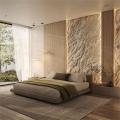
Have you ever wondered how to add more personality and aesthetics to this private and important space when you enter the bedroom? The bedroom is where we start and end our day, as well as a place for rest and relaxation. Therefore, its decoration is crucial. Applying wall panels to the bedroom walls is a unique and popular decorative method that not only provides a pleasing appearance but also adds a warm feeling to the space.
-
Ceramics have been used for architectural decoration since ancient times. The most common form is ceramic tiles of various sizes, ranging from small mosaics to large floor tiles.
-
What is PU? What material is PU made of?In the past two years, textured stone finishes have appeared in many classic cases, but most people still keep their distance. After all, issues such as raw materials, cost, transportation, and construction are difficult to solve. However, there is actually a simulated stone finish called PU stone that can achieve a realistic effect. Today, let me introduce it to you through four aspects:1.What is PU stone?2.What types of PU stone are there?3.What are the
|
|